

IMPORTANT DISCLAIMERS
Medical Disclaimer: The information in this article is provided for educational purposes only and is not intended as medical advice or a substitute for individualized medical care. Every person's health needs are unique. Always consult a qualified healthcare professional before starting, stopping, or changing any medication, supplement, or treatment plan. -------
Article Disclaimer: Articles are reviewed and published by Summit Health to provide evidence-based educational information. While Summit Health strives to provide reliable and current health information, medical knowledge is always evolving over time. Depending on when you are reading this content, it may not reflect the latest research or apply to your individual circumstances.
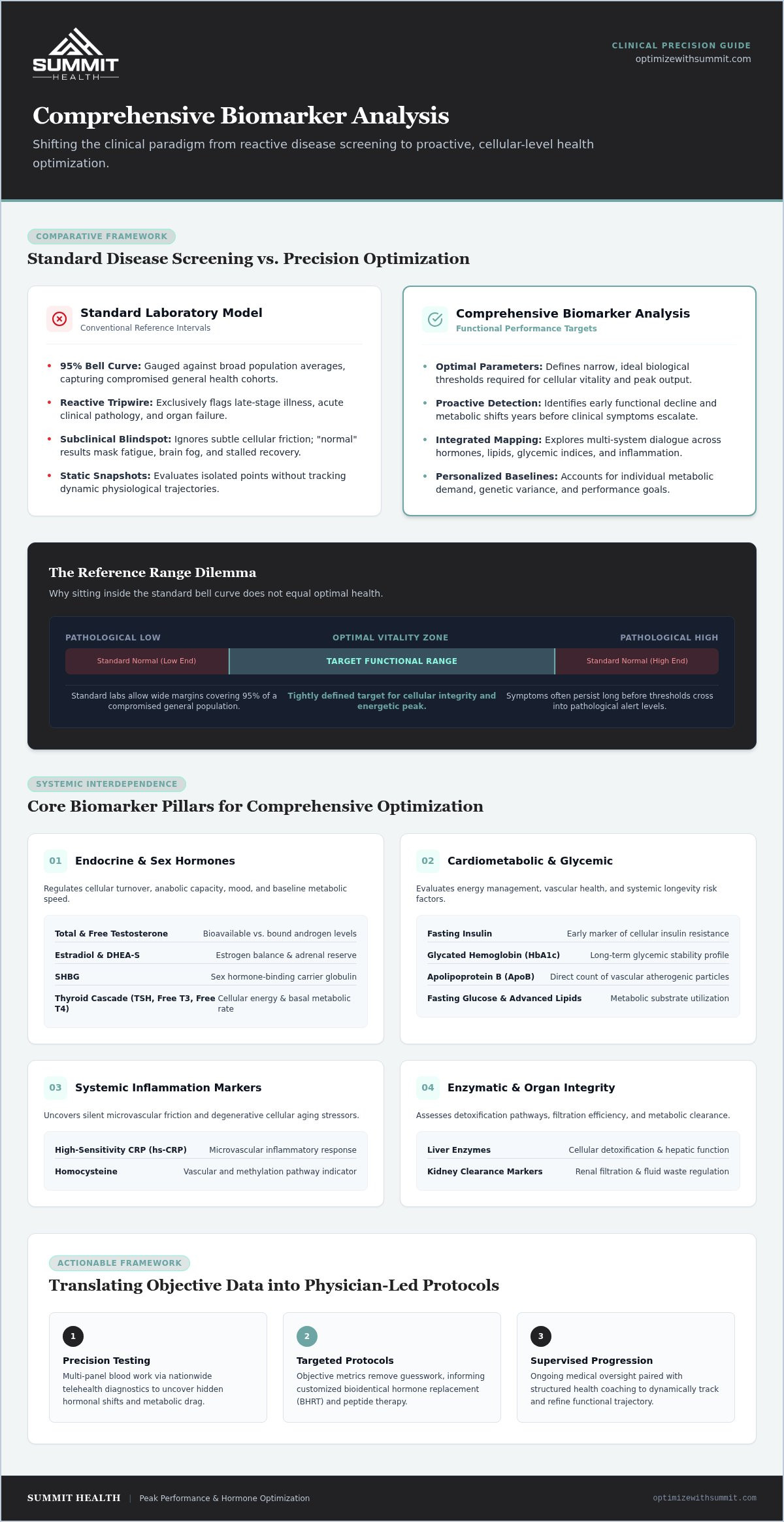
A "normal" lab result does not signify optimal vitality; it merely confirms the absence of acute disease. If you feel depleted, mentally fatigued, or physically stalled despite your doctor reporting that routine blood work looks fine, you aren't imagining the disconnect. Conventional reference ranges evaluate population averages to flag late-stage illness rather than defining peak human performance. Comprehensive biomarker analysis changes this paradigm completely, shifting the clinical focus from reactive disease screening to precise, proactive physiological optimization.
You don't have to settle for sub-optimal energy or struggle to decode complex diagnostic panels on your own. This guide reveals how advanced biomarker analysis pinpoints hidden hormonal shifts, metabolic friction, and low-grade inflammation long before clinical symptoms escalate. Ahead, we break down the critical panels standard checkups routinely miss, explain why functional target ranges matter for cellular health, and provide an actionable framework to translate your laboratory data into personalized, physician-led therapies.
Key Takeaways
- Comprehensive biomarker analysis moves beyond basic disease screening to assess cellular performance, endocrine balance, and systemic metabolic efficiency.
- Standard laboratory reference ranges evaluate broad population averages, whereas optimal functional targets define the precise parameters required for peak vitality.
- Objective diagnostic data removes guesswork, serving as the clinical foundation for customized bioidentical hormone replacement and targeted peptide therapy.
- Nationwide telehealth diagnostics deliver convenient access to advanced blood work panels paired with ongoing medical supervision and structured health coaching.
What Is Biomarker Analysis and Why Do Standard Labs Fall Short?
Precision diagnostics define the boundary between baseline survival and peak performance. Conventional medicine asks a narrow question: is the patient suffering from an acute clinical pathology? Comprehensive biomarker analysis asks a far more ambitious one: how effectively is the body functioning at a cellular level? By evaluating specific biological indicators, advanced testing provides an objective blueprint of your metabolic, hormonal, and systemic health long before disease manifests.
The Clinical Definition of a Biological Marker
Data drives clinical progress. In modern diagnostics, a biological marker, or biomarker, is an objective, quantifiable metric that mirrors your internal physiological state, cellular integrity, and biological aging rate. These measurable signals include:
- Circulating hormones: Endocrine regulators such as total and free testosterone, estradiol, DHEA-S, and cortisol.
- Metabolic indicators: Fasting insulin, glycated hemoglobin (HbA1c), and nuanced lipid particle profiles.
- Inflammatory proteins: Highly sensitive markers like hs-CRP and homocysteine that signal microvascular friction.
- Enzymatic regulators: Cellular enzymes that quantify liver detoxification pathways and kidney clearance.
Human biology fluctuates constantly. Generic population thresholds ignore individual genetic variance, training volume, and metabolic demands. Establishing personal baselines allows clinicians to track your dynamic physiological trajectory over time rather than evaluating isolated, static snapshots.
Why 'Normal' Blood Work Often Masks Subclinical Dysfunction
Average is not optimal. Standard laboratory reference ranges represent a broad bell curve covering 95% of a laboratory's testing cohort. Because the general population suffers from pervasive metabolic dysfunction, routine reference intervals reflect a compromised population rather than a healthy standard. You can sit comfortably within a standard "normal" range while remaining biological miles away from peak vitality.
This diagnostic gap explains why millions experience lingering brain fog, sluggish physical recovery, and unyielding fatigue despite pristine routine lab reports. Standard blood work acts as a reactive tripwire for advanced pathology. Proactive biomarker analysis, by contrast, identifies early functional decline, mapping the subtle metabolic shifts that occur years before conventional metrics raise an alarm.
Key Biomarker Categories for Comprehensive Health Optimization
Biological systems operate in continuous dialogue. A decline in one regulatory pathway inevitably triggers compensation across another. Precision medicine looks beyond isolated tests to construct an integrated map of metabolic, hormonal, and organ performance. According to the National Cancer Institute's authoritative definition of biomarker, these biological markers provide quantifiable evidence of normal or pathogenic processes. In preventive care, multi-panel biomarker analysis clarifies how these interdependent systems collaborate to sustain peak vitality.
Endocrine and Sex Hormone Biomarkers
Hormones direct cellular performance. An optimal endocrine panel evaluates total testosterone, free testosterone, estradiol, DHEA-S, and sex hormone-binding globulin (SHBG). Measuring free testosterone alongside SHBG reveals active, bioavailable androgen levels rather than bound, inactive reserves. Thyroid cascades determine basal cellular turnover. Evaluating Free T3, Free T4, and TSH together ensures an accurate assessment of metabolic speed and energy output. For clinical protocols on baseline profiling, review our guide to Diagnostic Precision: The 2026 Guide to Hormone Blood Work and Optimization.
Cardiometabolic and Glycemic Indicators
Energy management governs longevity. Fasting glucose alone presents an incomplete picture; elevated fasting insulin and HbA1c reveal cellular insulin resistance years before blood sugar spikes. Advanced lipid testing shifts the conversation from basic total cholesterol to atherogenic particle burden. Apolipoprotein B (ApoB) quantifies the exact concentration of vascular-infiltrating particles, delivering superior risk stratification compared to standard LDL-C metrics alone.
Systemic Inflammation and Organ Health Panels
Silent inflammation accelerates degenerative aging. High-sensitivity C-reactive protein (hs-CRP) and homocysteine flag vascular irritation, endothelial stress, and impaired methylation long before structural arterial damage occurs. Meanwhile, comprehensive organ panels safeguard systemic resilience:
- Hepatic function: ALT, AST, and GGT assess liver detoxification efficiency and hepatic lipid clearance.
- Renal filtration: Creatinine and estimated glomerular filtration rate (eGFR) monitor kidney filtration capacity.
- Complete blood counts: Hematocrit, hemoglobin, and red cell indices verify oxygen-carrying capacity and mitochondrial performance.
Systemic tracking transforms health management. When you are ready to evaluate your internal baseline with clinical precision, you can easily schedule a telehealth consultation with our medical team.
Standard Reference Ranges vs. Optimal Functional Ranges
Context determines clinical utility. The core flaw in conventional medicine isn't the testing technology; it's the statistical calibration used to evaluate results. When evaluating the broader role of biomarkers in health, laboratory benchmarks must be calibrated for peak performance rather than survival. Standard diagnostic ranges aim to confirm overt pathology. Functional biomarker analysis targets biological excellence.
Deconstructing the Standard Laboratory Bell Curve
Reference intervals shift lower as population health worsens. Standard laboratories calculate "normal" ranges by taking two standard deviations from the mean of their aggregate testing pool, capturing the middle 95% of individuals. Because modern populations carry widespread metabolic and endocrine dysfunction, routine reference brackets merely normalize widespread physical decline.
Pathology exclusion is not performance optimization. A man whose free testosterone falls in the 5th percentile of normal is still clinically categorized as "healthy," even while suffering from chronic exhaustion, brain fog, and muscle loss. Evaluating where your biomarkers sit inside the range reveals whether you're thriving or merely subsisting.
Clinical Comparison: Standard vs. Functional Optimization Targets
Functional medicine narrows broad reference intervals into refined, high-performance biological windows. This sharper lens identifies micro-deviations years before conventional tests trigger an alarm.
| Biomarker | Standard Reference Range | Optimal Functional Target | Clinical Focus |
|---|---|---|---|
| Fasting Insulin | 2.0 – 25.0 µIU/mL | 2.0 – 5.0 µIU/mL | Prevents covert insulin resistance and metabolic sluggishness. |
| hs-CRP | 0.0 – 3.0 mg/L | < 0.5 mg/L | Minimizes endothelial friction and vascular strain. |
| Free Testosterone (Men) | 9.0 – 30.0 ng/dL | 18.0 – 28.0 ng/dL | Supports cognitive clarity, recovery, and lean body mass. |
| Vitamin D (25-OH) | 30.0 – 100.0 ng/mL | 50.0 – 80.0 ng/mL | Drives endocrine synthesis and immune cell signaling. |
Target precision transforms outcomes. Longitudinal tracking of these tightened parameters eliminates clinical guesswork, giving you a clear biological baseline to measure actual physiological progress.
Translating Biomarker Analysis into Targeted Clinical Protocols
Diagnostics without targeted execution produce zero physiological change. Data must catalyze action. In precision medicine, comprehensive biomarker analysis serves as the clinical roadmap, directing medical therapies, nutritional shifts, and targeted supplementation. Rather than relying on generic treatment templates, an objective blood profile allows clinicians to construct interventions that match your specific biology.
Formulating Personalized Hormone and Peptide Therapies
Precision dosing prevents adverse shifts. When endocrine profiling identifies depleted androgen synthesis or unfavorable estrogen ratios, bioidentical hormone replacement therapy restores equilibrium safely. Exact serum concentrations determine micro-dosing strategies, eliminating the volatile peaks and troughs typical of outdated protocols. At the cellular level, biomarkers of tissue stress and recovery inform the deployment of specialized peptide therapy to stimulate natural growth hormone production, accelerate repair, and reduce inflammation. For a deeper breakdown of customized treatment protocols, read The Sophisticated Guide to Hormone Replacement Therapy.
Refining Metabolic Performance and Body Composition
Metabolic friction derails physical transformation. Patients struggling with stubborn weight gain often face covert glycemic dysregulation. Documenting elevated fasting insulin and abnormal lipid particles allows medical providers to tailor medical weight loss protocols with clinical precision:
- Targeted GLP-1 medications: Compounds like Tirzepatide improve insulin sensitivity, stabilize blood sugar spikes, and reset baseline metabolic tone.
- Targeted supplementation: Micronutrient and metabolic cofactors optimize mitochondrial fat oxidation.
- Nutrition refinement: Precision caloric and macronutrient adjustments match individual glycemic clearance rates.
If you're experiencing unexplained fatigue, decreased lean mass, or stubborn weight, take our quick Hormone Quiz to evaluate your symptoms against key clinical markers.
The Imperative of Serial Testing and Health Coaching
Optimization requires constant iteration. A baseline lab draw marks the start, not the conclusion, of treatment. Follow-up blood work at 90 to 180 days post-intervention ensures therapeutic efficacy, tracks organ safety parameters, and guides fine-tuning before side effects can develop.
Sustained success bridges advanced biochemistry with daily behavior. Pairing physician-led protocols with structured health coaching cements lasting improvements in sleep hygiene, resistance training, and recovery routines. To review your lab results with a dedicated provider and build a personalized plan, book your telehealth appointment today.
Virtual Diagnostic Precision: The Summit Health Optimization Pathway
World-class clinical insight should not depend on geographical proximity. Traditional medical models often force patients to endure months of scheduling delays, crowded waiting rooms, and rushed fifteen-minute appointments that barely scratch the surface of their health. Summit Health eliminates these operational bottlenecks through a streamlined, nationwide telehealth model. By pairing sophisticated diagnostic panels with dedicated virtual clinical supervision, advanced biomarker analysis becomes an efficient, accessible reality wherever you live.
The Seamless Virtual Lab and Telehealth Experience
Clinical precision meets digital convenience. The optimization journey begins with physician-designed diagnostic requisition forms tailored to your unique biological symptoms. Through national clinical laboratory partnerships, blood draw visits take place at a convenient diagnostic facility near you. No logistical headaches. No administrative friction.
Once your lab results process, you connect directly with licensed medical providers via secure video consultation. Instead of generic automated PDFs or confusing charts, you receive an exhaustive, metric-by-metric breakdown of your cellular, hormonal, and metabolic markers. This collaborative review bridges the gap between laboratory data and tangible health strategies, establishing clear targets aligned with your personal vitality goals.
Comprehensive Treatment Integration: HRT, Weight Loss, and Recovery
Accurate profiling unlocks targeted medical solutions. Because biomarker panels uncover root physiological friction points, treatment protocols move forward with therapeutic precision. Clinically validated therapies ship straight to your door, under continuous medical oversight:
- Endocrine optimization: Bespoke bioidentical protocols and tailored Hormone Therapy balance vital androgen and thyroid pathways.
- Metabolic reprogramming: Evidence-based medical Weight Loss protocols, including GLP-1 therapies such as Tirzepatide, address foundational insulin resistance.
- Cellular repair: Targeted peptide therapy and specialized clinical supplements enhance deep sleep architectures and cellular tissue regeneration.
Medical intervention represents only one half of the equation; sustained biological performance demands behavioral alignment. Summit Health integrates routine physician check-ins with structured health coaching, guiding your sleep routines, nutrition, and exercise regimens. When you're ready to take charge of your physiological trajectory with dedicated medical guidance, reach out and Contact Summit Health to begin your diagnostic pathway.
Elevate Your Biological Baseline
Optimal health demands moving beyond the passive acceptance of standard laboratory intervals. Settling for broad population averages only guarantees average vitality. Comprehensive biomarker analysis provides the clinical clarity needed to identify subclinical endocrine shifts, resolve silent metabolic friction, and protect cellular performance before symptoms dictate your quality of life.
Data without specialized medical execution creates confusion. Summit Health bridges this gap by pairing advanced full-spectrum endocrine and metabolic lab panels with licensed medical providers specializing in precision hormone optimization. Through convenient nationwide telehealth consultations, your individual diagnostic figures translate directly into physician-led protocols and tailored therapies delivered straight to your door.
You don't have to navigate physical decline or settle for baseline survival. Take definitive control over your energy, body composition, and longevity with objective diagnostic data. Schedule your comprehensive diagnostic consultation today to establish your biological baseline and elevate your vitality for years to come.
Frequently Asked Questions
What is biomarker analysis and how does it work?
Biomarker analysis measures quantifiable biological indicators in blood, saliva, or urine to evaluate cellular health, endocrine balance, and metabolic efficiency. The process starts with a specialized blood draw evaluating specific molecules such as hormones, lipid particles, enzymes, and inflammatory proteins. Clinicians then analyze these objective data points against functional reference ranges to detect subclinical dysfunction and guide targeted wellness protocols before symptoms or disease develop.
How often should you get comprehensive biomarker analysis done?
Most individuals benefit from comprehensive testing once or twice a year to maintain baseline health and monitor physiological trends. If you're actively undergoing clinical treatments like hormone therapy, medical weight loss, or peptide protocols, labs should be drawn every 90 to 180 days. This recurring cadence allows medical providers to monitor safety markers, evaluate therapeutic efficacy, and calibrate dosages accurately based on real-time biological feedback.
Can biomarker analysis detect hormonal imbalances before symptoms appear?
Yes, comprehensive panels can identify shifting endocrine levels long before overt physical symptoms emerge. Biological markers like elevated sex hormone-binding globulin, subtle declines in free testosterone, or minor shifts in thyroid stimulating hormone occur gradually. Tracking these biomarkers against narrow functional targets allows clinicians to detect early endocrine dysregulation and intervene proactively, preventing future complaints like chronic fatigue, brain fog, and involuntary metabolic slowdown.
What is the difference between a standard blood test and a biomarker panel?
Standard annual blood tests typically check basic markers like fasting glucose, liver enzymes, and total cholesterol to screen for acute disease. Comprehensive biomarker panels evaluate a much wider spectrum of biological indicators, including fasting insulin, apolipoprotein B, high-sensitivity C-reactive protein, and free sex hormones. Standard panels focus on whether you have a disease; advanced panels determine how effectively your physiological systems function for peak daily performance.
Do you need to fast before a comprehensive biomarker blood draw?
Yes, fasting for 8 to 12 hours before your blood draw is typically required for accurate results. Consuming food or beverages other than water temporarily skews critical metabolic and lipid indicators, including fasting glucose, fasting insulin, and triglycerides. For the most consistent assessment of your hormonal and metabolic baseline, schedule your blood draw early in the morning, drink plenty of water, and avoid strenuous exercise immediately prior.
How does biomarker analysis support personalized hormone replacement therapy?
Biomarker analysis provides the exact objective baseline required to formulate personalized bioidentical hormone protocols safely. Rather than relying on trial and error, clinicians analyze free hormone levels, binding proteins, and estrogen metabolites to determine precise dosages. Follow-up diagnostic panels then verify that circulating levels hit optimal functional ranges while continuously tracking red blood cell count, prostate markers, and liver enzymes to safeguard your long-term health.
Can you complete comprehensive biomarker analysis through a telehealth provider?
Yes, modern virtual practices provide complete access to advanced diagnostic testing nationwide. Telehealth platforms like Summit Health issue physician-designed lab requisitions that you take to a local partner diagnostic laboratory for your blood draw. Once processed, your results are reviewed during a secure virtual medical consultation. Licensed clinicians interpret your diagnostic profile and ship tailored therapies directly to your home under ongoing clinical supervision.

Article by
Dr. David Richardson
David Richardson, is the founder and CEO of Summit Health and the author of "Insights from the Summit", where he writes about hormone optimization, metabolic health, thyroid function, longevity, and preventive medicine.
After entering healthcare in 2009, David became increasingly interested in a question that traditional medicine often struggles to answer:
Why do so many people continue to feel terrible despite being told their labs are "normal"?
That question eventually led him into the field of health optimization in 2020, where he became passionate about understanding physiology at a deeper level and helping patients uncover the root causes of their symptoms rather than simply managing them.
Today, David's philosophy is simple: normal and optimal are not the same thing. Every patient is physiologically unique, and meaningful healthcare begins by listening to symptoms, understanding the science, and recognizing that laboratory values are only one piece of a much larger picture.
Through Summit Health and Insights from the Summit, David's mission is to help people better understand their bodies, ask better questions, and make informed decisions that improve both their health span and quality of life.


